What Counts as Local? A Closer Look at Our Eat Local Challenge Totals
Every September, our Eat Local Challenge celebrates what our community can accomplish by choosing local products. This year’s reported total is a little lower than last year’s, and we want to explain an important change behind that number: we’ve been working to make our local product classifications more accurate.
Those classifications determine which purchases count toward the Challenge. As we refine them, some products previously included in our local totals no longer qualify. A lower reported number, therefore, doesn’t necessarily mean shoppers bought less local food. It reflects a change in what we’re counting, making a direct comparison with last year’s total less straightforward.
Accuracy and transparency matter to us, and we want you to understand both what these numbers represent and how we’re working to improve them.
So, what counts as local? Vermont has a legal definition that varies by food type. For produce, it means grown in Vermont. Most processed foods must contain more than 50% Vermont ingredients by volume, excluding water, and must either be processed in Vermont or made by a company headquartered here to qualify for local designation.
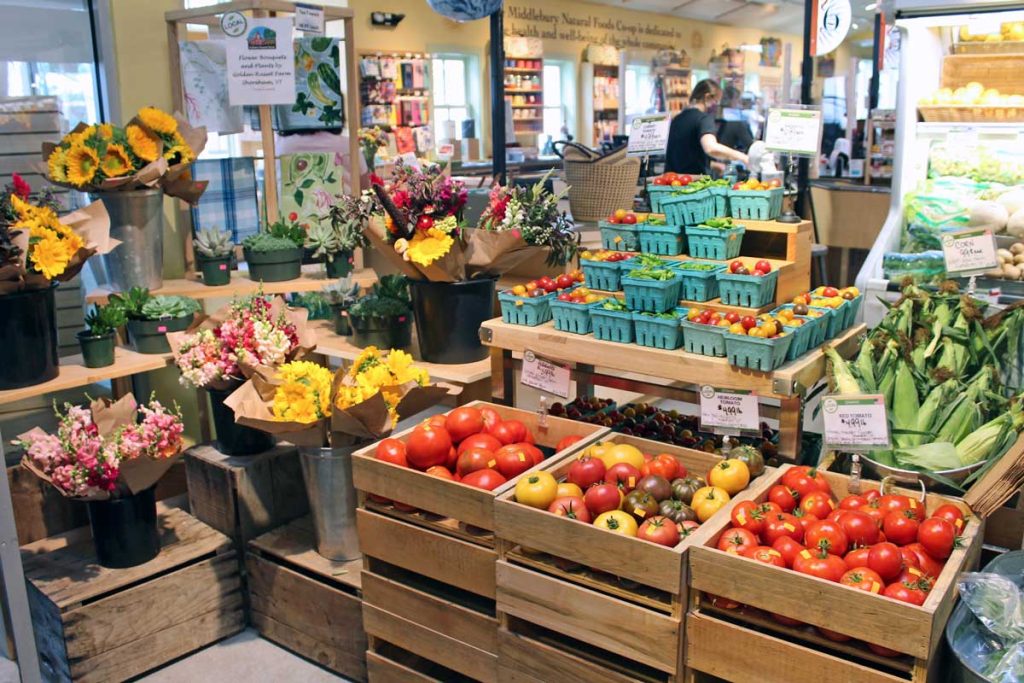
There are also specific provisions for baked goods, beverages, and certain other foods made with ingredients that aren’t regularly grown here or available in sufficient quantities. These products must meet at least two of three criteria: a majority of Vermont ingredients, substantial transformation in Vermont, or a manufacturer headquartered in Vermont. These provisions allow some foods made here with ingredients from elsewhere to qualify as local.
Applying those definitions across a grocery store is a complicated proposition! A company’s Vermont address doesn’t automatically make every product it sells local. We have to consider the products themselves: where their ingredients come from and where they’re processed. Our many distribution channels (direct from producer, or through a distributor) further complicates the matter.
This is ongoing work. We’re committed to improving the accuracy of our reporting and being open about changes that affect the numbers we share.
Our commitment to supporting Vermont farmers and producers remains strong. Having a more accurate picture of spending on qualifying local products helps us understand where we stand, identify opportunities to do more, and measure our progress over time. That gives us a stronger foundation for continuing to grow the amount our community spends on local food.